


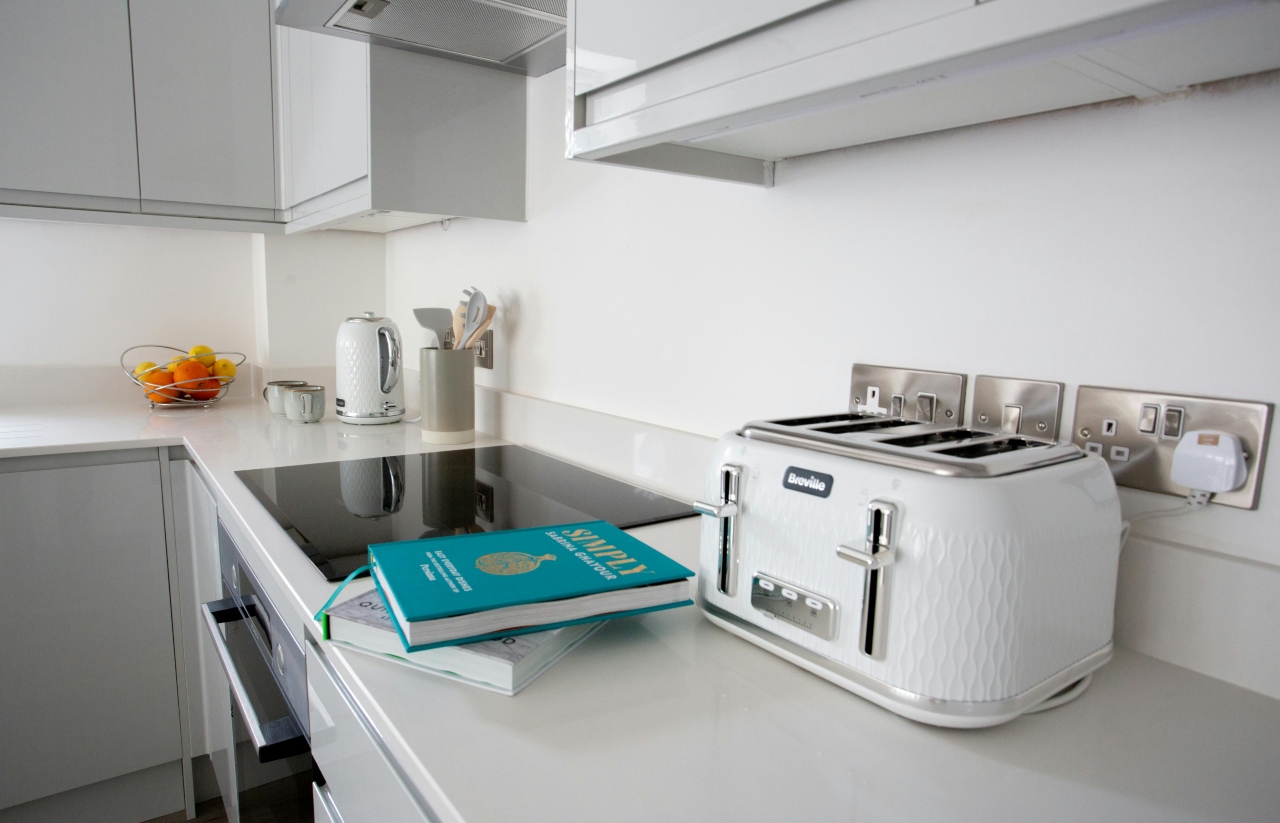
Proper packing keeps your small kitchen appliances safe, prevents damage, and helps you avoid unnecessary costs during your move. Items like toasters, blenders, coffee makers, and microwaves have delicate parts and electrical components that can easily be damaged if not handled correctly. Without proper protection, glass parts can crack, wires can loosen, and leftover moisture can lead to mold or internal damage.
By understanding how to pack small kitchen appliances for moving, you reduce these risks and make unpacking much easier. A clear, step-by-step approach ensures each item is protected and ready to use in your new home, just like San Antonio professional movers would handle them.
What Should You Do Before Packing Small Kitchen Appliances?
Start with preparation, because it prevents most moving damage. First, unplug each appliance and let it cool fully. Then, clean and dry every surface to stop mold and odors. For example, leftover moisture in a coffee maker can damage internal parts within 24 hours. Next, remove all detachable pieces, such as blender blades, toaster trays, and loose cords. Also, check the manual for brand-specific steps, especially for high-end models. In our experience, many clients forget this step, which leads to avoidable issues during unpacking. [caption id="attachment_3016" align="aligncenter" width="770"] Preparing small kitchen appliances before placing them into boxes.[/caption]
After that, focus on organizing and supplies. Take quick photos of cable setups for easy reassembly later. Then gather essential materials, just like a professional Lytle moving company would:
Preparing small kitchen appliances before placing them into boxes.[/caption]
After that, focus on organizing and supplies. Take quick photos of cable setups for easy reassembly later. Then gather essential materials, just like a professional Lytle moving company would:
- Sturdy, double-walled boxes
- Bubble wrap for fragile parts
- Packing paper for cushioning
- Strong tape and clear labels
How To Pack Small Kitchen Appliances For Moving Safely And Efficiently
Start by protecting each appliance from impact and movement. First, wrap every item with bubble wrap or thick packing paper. For example, we once packed a client’s espresso machine, and double wrapping prevented costly damage. Next, use original boxes when possible, since they fit the appliance securely. Then place heavier items, such as microwaves, at the bottom of the box. Also, fill all gaps with cushioning material to stop shifting during transport. According to recent moving data, proper padding reduces the risk of damage by up to 40%. After that, organize parts and seal boxes correctly. Put loose items, such as blades or cords, in labeled bags. Then place them inside the same box. This step simplifies unpacking later. If you know how to pack large kitchen appliances, you can apply similar logic here. Finally, seal boxes tightly and label them “Fragile” and “Kitchen.” Many apartment movers San Antonio follow this exact system to ensure safe delivery.Which Packing Materials Are Best For Small Kitchen Appliances?
Choose materials that absorb shock and prevent movement. First, compare bubble wrap and packing paper. Bubble wrap offers better impact protection for fragile items like glass blender jars. In contrast, packing paper works well for scratch prevention. For delicate parts, use foam inserts, as they hold items firmly in place. Also, always select sturdy, double-walled boxes. They reduce crushing risk during stacking. In one real move, a client used thin boxes, and two appliances were damaged despite careful loading. Industry data shows weak boxes increase damage rates by over 25%. [caption id="attachment_3018" align="aligncenter" width="770"] Wrapping kitchen items with bubble wrap for added protection.[/caption]
Next, consider practical and safe alternatives. You can use towels or linens as eco-friendly padding. However, avoid newspapers, since ink can stain surfaces. For electronics, anti-static wrap protects internal components from electrical discharge. This is important for modern appliances with circuit boards. If you know how to pack large kitchen appliances, the same material logic applies here. Many packing services San Antonio rely on this combination for consistent results.
Wrapping kitchen items with bubble wrap for added protection.[/caption]
Next, consider practical and safe alternatives. You can use towels or linens as eco-friendly padding. However, avoid newspapers, since ink can stain surfaces. For electronics, anti-static wrap protects internal components from electrical discharge. This is important for modern appliances with circuit boards. If you know how to pack large kitchen appliances, the same material logic applies here. Many packing services San Antonio rely on this combination for consistent results.
How To Pack Small Kitchen Appliances For Moving Without Damage Risks
Protecting appliances starts with careful handling of fragile parts. First, wrap glass jars, lids, and sharp blades separately. Use thick padding to prevent cracks or chips. For example, a client once packed a blender without removing the blade, which caused internal damage. Next, secure cords by tying or taping them neatly. This prevents tangling and stress on connections. Then, add a layer of plastic wrap for waterproofing, especially for humid conditions. Studies show moisture exposure increases appliance failure risk by nearly 15% during moves. After that, focus on box safety and access. Do not overpack boxes, since excess weight can crush items. Instead, leave space for cushioning. Also, label boxes clearly so movers handle them with care. Keep essential items, like a coffee maker, easily accessible for day one. Learning how to downsize for a move also helps reduce packing risks. These same steps apply to packing kitchen appliances for moving efficiently.Can Professional Movers Help With Packing Small Kitchen Appliances?
Yes, professional movers can reduce damage risk and save you time. They know how to handle fragile appliances with care. For example, during a recent move, a client avoided costly repairs because experts secured a high-end mixer properly. In addition, movers use high-quality materials like foam inserts and reinforced boxes. This level of protection is hard to match at home. According to industry reports, professional packing lowers damage claims by up to 35%. [caption id="attachment_3019" align="aligncenter" width="770"] According to industry reports, professional packing lowers damage claims by up to 35%.[/caption]
Moreover, services often include packing, labeling, and safe transport. This makes how to pack kitchen when moving much easier for you. While there is a cost, the value comes from reduced risk and saved time. It is best to outsource when you have delicate or expensive appliances. If you are unsure how to pack fragile things safely, professionals provide reliable and efficient solutions.
According to industry reports, professional packing lowers damage claims by up to 35%.[/caption]
Moreover, services often include packing, labeling, and safe transport. This makes how to pack kitchen when moving much easier for you. While there is a cost, the value comes from reduced risk and saved time. It is best to outsource when you have delicate or expensive appliances. If you are unsure how to pack fragile things safely, professionals provide reliable and efficient solutions.